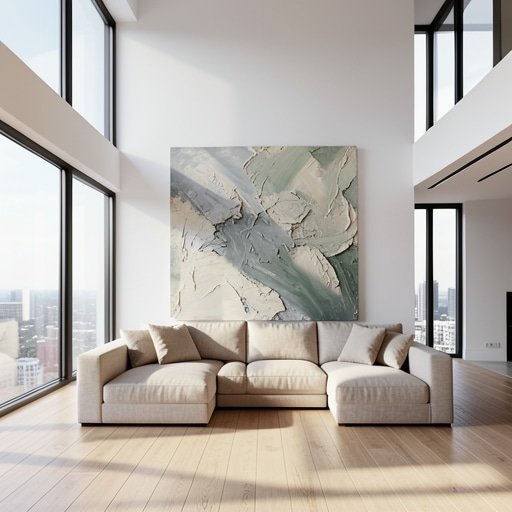

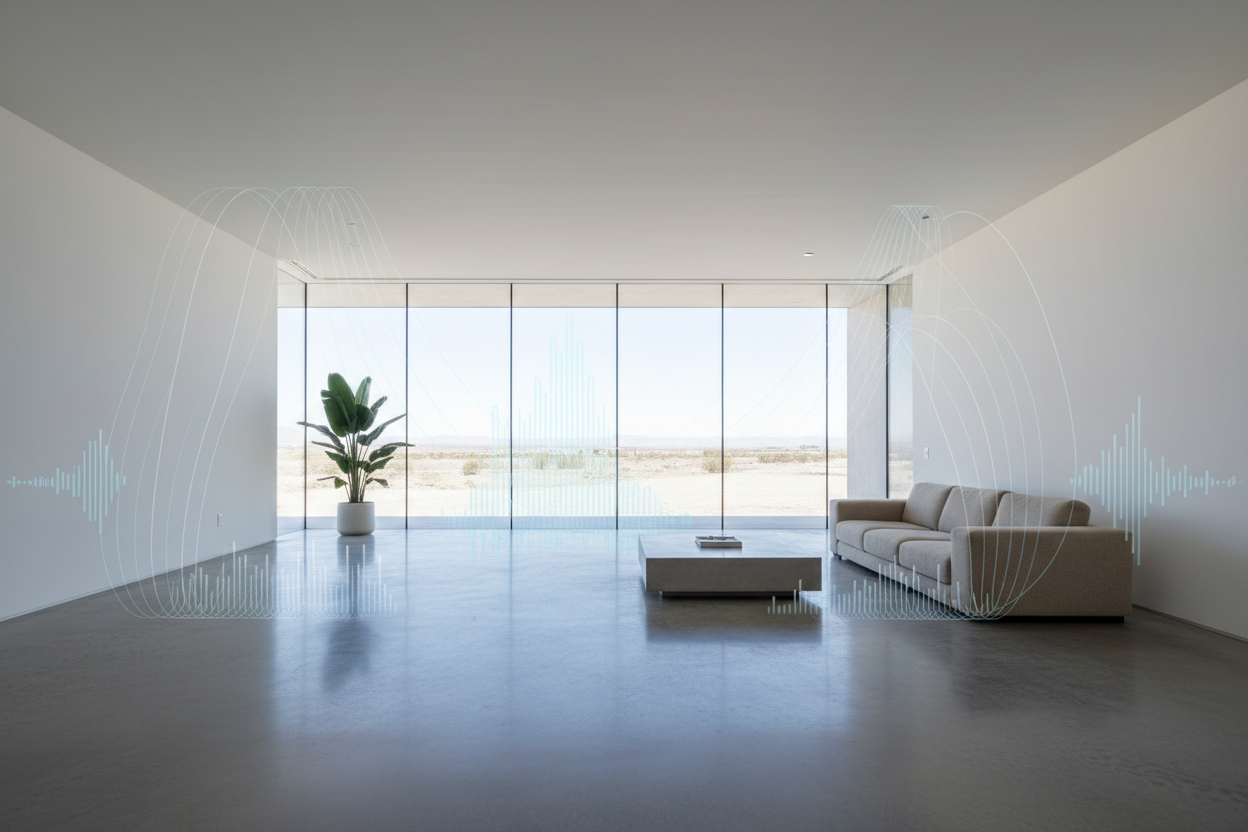
Modern living is loud. Discover how Acoustic Art creates a peaceful sanctuary by combining high-end textured design with powerful sound absorption technology. We love our open-plan homes, our high ceilings, and our sleek, minimalist designs featuring glass, wood, and concrete. But there is a hidden cost to this modern aesthetic: noise. Hard surfaces reflect sound, turning living rooms into echo chambers and offices into zones of distraction.
Until now, the solution was ugly industrial foam panels. But what if the solution wasn’t just functional, but beautiful? Enter Acoustic Art—the revolutionary “missing link” in interior design that allows you to reduce echo in room while elevating your decor.

What Exactly Is Acoustic Art? (It’s Not Just a Painting)
At first glance, acoustic art looks exactly like a high-end, gallery-quality painting. In fact, at Oilarthub, it is a painting. But beneath the surface, it is a piece of precision engineering.
The Hidden Core: How Sound Absorbing Technology Works
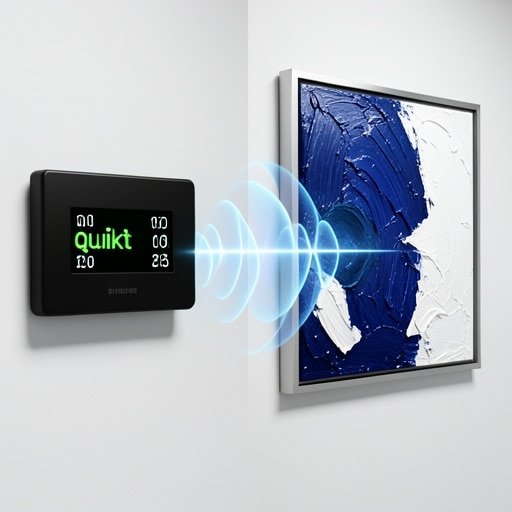
While standard canvas art is hollow, sound absorbing art features a specialized core made from high-density acoustic material. When sound waves hit the artwork, instead of bouncing back into the room (creating echo), they penetrate the porous surface and get trapped in the core, converting the sound energy into a tiny amount of heat.
Visual Aesthetics: Why It Looks Just Like Regular Fine Art
The beauty of Oilarthub’s approach is that the technology is invisible. We paint directly onto acoustically transparent surfaces or frame the absorption material behind our signature textured painting canvases. You get the soulful, handmade texture you love, with the silence you crave.
The Problem: Why Do Modern Rooms Have So Much Echo?
To understand why you need it, you have to understand how sound behaves.
The Role of Hard Surfaces (Glass, Concrete, Wood)
Sound waves behave like light in a mirror. When they hit hard, flat surfaces like a glass window, a hardwood floor, or a marble countertop, they bounce perfectly. In modern architecture, which favors these materials, sound bounces repeatedly, creating a cacophony known as “reverberation.”
How Sound Waves Bounce vs. Absorb
Soft materials absorb sound. In the past, heavy drapes and wall-to-wall carpets dampened noise. Today, we’ve removed those “absorbers.” Acoustic art reintroduces that necessary absorption into the vertical space, balancing the room without adding clutter.
Acoustic Art vs. Ugly Sound Panels: The Difference
If you search for “acoustic solutions,” you’ll likely find industrial felt hexagons or gray foam squares. While functional, they look like they belong in a recording studio, not a sophisticated living room.
Hand-Painted Texture vs. Printed Fabric
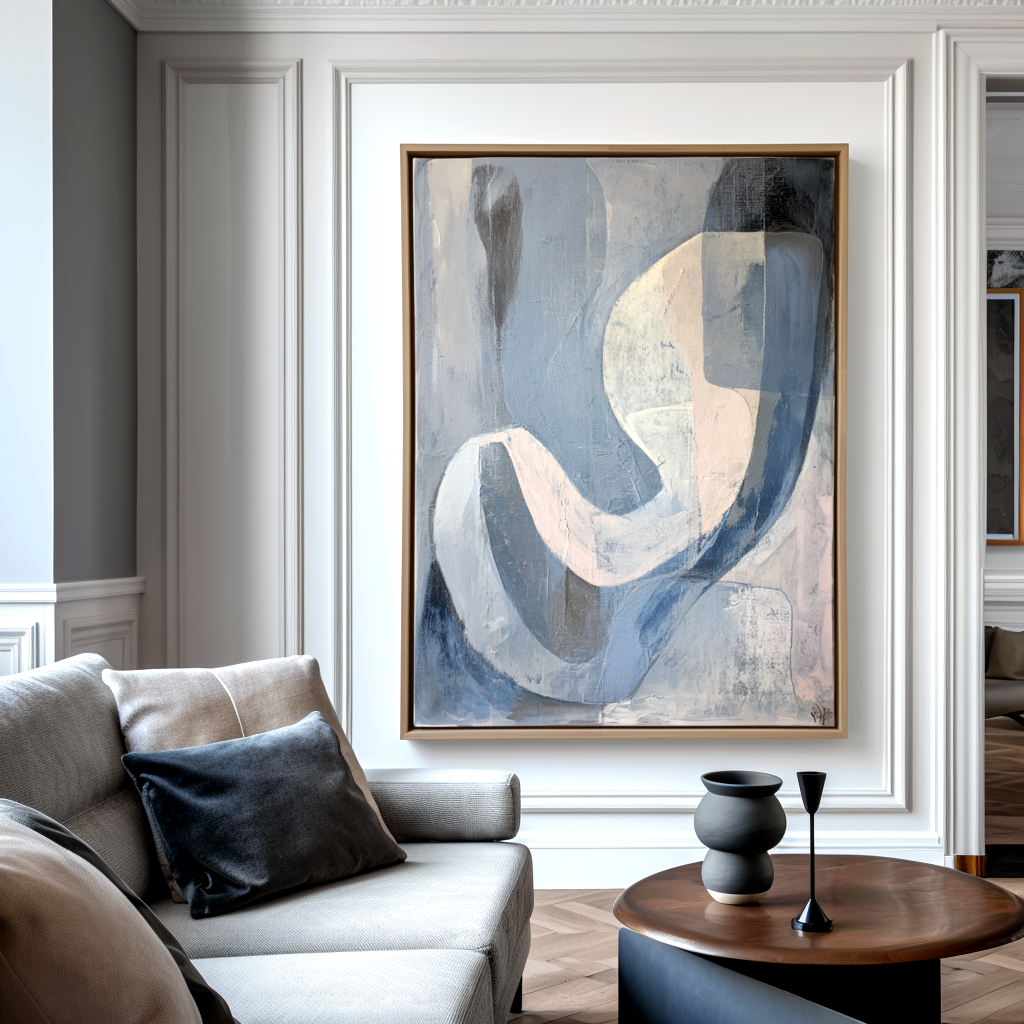
Most “decorative” acoustic panels on the market are merely printed fabric stretched over foam. They look flat and cheap. Oilarthub offers something different: genuine, functional wall art. Our pieces feature heavy impasto strokes and real oil or acrylic paint texture.
Enhancing Decor Instead of Looking like a Recording Studio
Why compromise? Your home shouldn’t look like a call center. By using fine art as the vehicle for acoustic control, you maintain the integrity of your interior design while solving the noise problem.
Where to Use Functional Wall Art for Best Results
Where does this technology deliver the biggest impact? Focus on areas where communication is key.
Quieting the Open-Plan Living Room and Dining Area
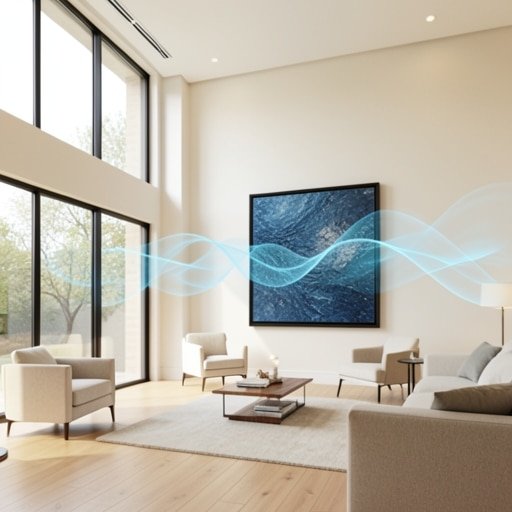
This is the hub of the home. Decorative acoustic panels disguised as art prevent the sound of the TV, kitchen clatter, and conversation from fighting for dominance. It restores intimacy to dinner parties.
Focusing in the Home Office and Zoom Rooms
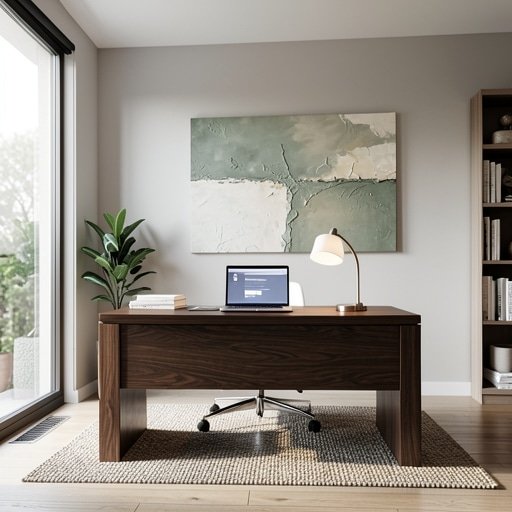
In a home office, echo makes you sound distant and unprofessional on calls. Placing acoustic art on the wall behind or in front of your desk sharpens your audio quality and reduces distractions, boosting focus.
Creating Professional Acoustics in Commercial Spaces
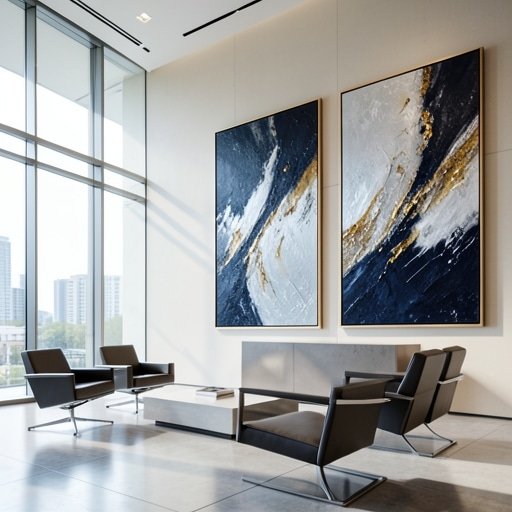
For restaurants and boardrooms, controlling noise is critical for customer experience. Large-scale acoustic art works as a damper, lowering the overall decibel level of the room. .
Conclusion: You Don’t Have to Sacrifice Style for Silence
For too long, homeowners and designers have had to choose between a beautiful room and a quiet one. Acoustic Art bridges that gap. It proves that functionality doesn’t have to be ugly. By investing in art that serves a dual purpose, you are creating a home that nurtures not just your eyes, but your ears and your peace of mind.
Stop the echo, start the style. .
Common Questions About Acoustic Wall Art
How much noise does acoustic art actually reduce? While it won’t make a room soundproof (blocking outside noise), it significantly reduces internal echo and reverberation. Covering 15-20% of your wall space with acoustic art can make a noticeable difference in speech clarity and calmness.
Is acoustic art heavier than normal paintings? Slightly. The high-density core adds some weight compared to a hollow canvas, but they can still be hung easily with standard heavy-duty picture hooks or z-clips.
Can any painting from Oilarthub be made acoustic? Most of our abstract and textured works can be adapted for acoustic applications. The texture actually helps diffract sound waves! Contact our team to discuss upgrading your order to an acoustic specification at .
What is the difference between soundproofing and sound absorption? Soundproofing stops noise from entering or leaving a room (like thick walls). Sound absorption (what acoustic art does) cleans up the sound inside