

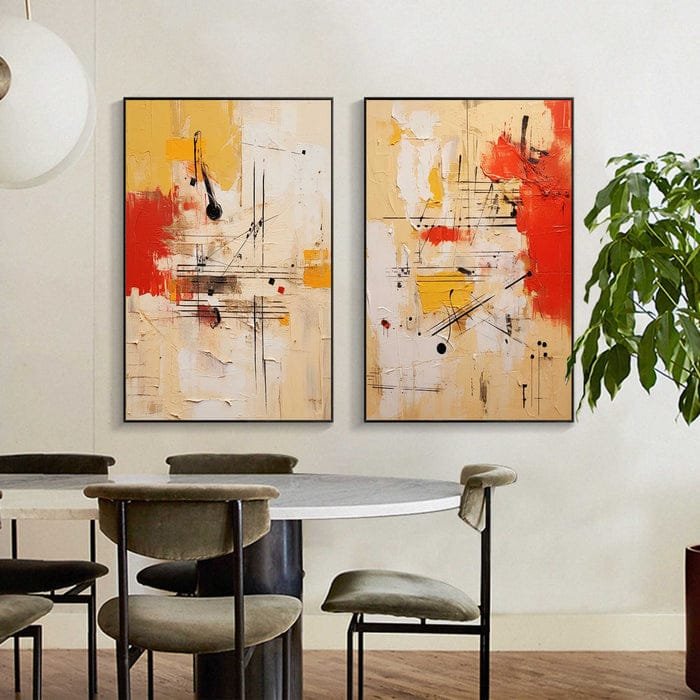
Great design relies on details. This technical guide helps interior designers accurately specifying art, covering critical data on lighting angles, weight loads, and maintenance. For architects and interior designers, selecting artwork is more than an aesthetic choice; it is an integration challenge. A textured painting is not merely a 2D image; it is a 3D object with physical depth and mass that interacts dynamically with the built environment. To ensure a successful installation, especially in commercial projects, one must consider the technical specifications of scale, illumination, and durability.
Specifying for Scale: Understanding Volume and Visual Weight
When marking up elevations or floor plans, treating textured art like a flat poster is a mistake. Texture adds visual weight, demanding more negative space to breathe.
The Impact of Depth: Why Textured Art “Projects” More
Unlike flat prints, heavy impasto art has physical relief, often protruding 0.5 to 1.5 inches from the canvas plane, plus the depth of the stretcher bar (typically 1.5 inches for gallery wrap). In narrow corridors or high-traffic zones, this projection must be accounted for in art placement specifications to prevent physical obstructions and damage.
Sizing Ratios for Large Commercial Atriums vs. Residential Walls
For commercial atriums, the rule of “two-thirds” changes. In vast volumes, art needs to scale up significantly to avoid getting lost. We recommend specifying commercial art installation pieces that cover 20-30% of the wall’s surface area in open voids to anchor the space effectively.
Using Multiple Panels (Diptychs/Triptychs) to Cover Expansive Spaces
Logistically, creating and shipping a single 15-foot canvas is fraught with risk. Specifying a polyptych (multi-panel work) allows for easier transport and installation (elevator fit) while covering expansive wall areas seamlessly.
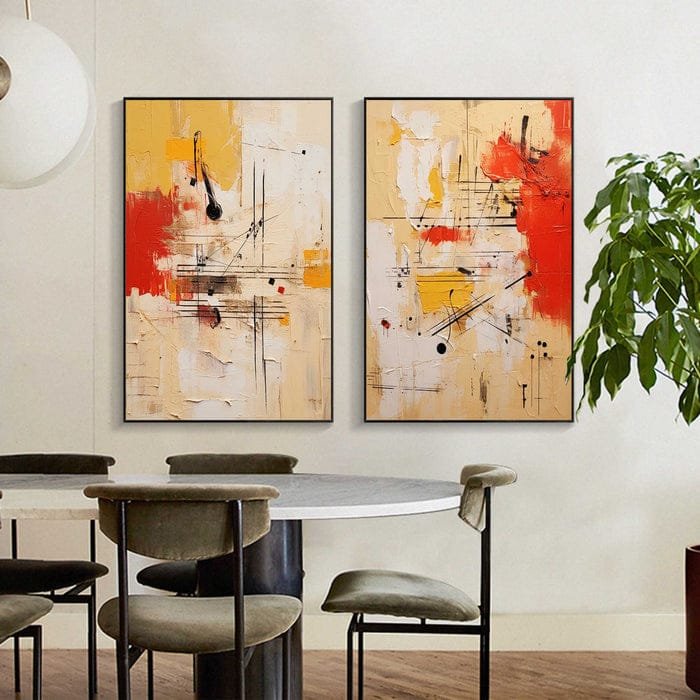
Critical Considerations for Lighting for Artwork
Without proper light, texture is invisible. Lighting is the single most critical factor in specifying art that features impasto or mixed media.
The Magic of “Raking Light”: Positioning Angles for Texture
To highlight the sculptural quality of textured painting, avoid flat, frontal wash lighting. Instead, specify raking light—light sources positioned at a steeper angle (typically 30 degrees from vertical) closer to the wall. This grazes the surface, creating micro-shadows that define the brushstrokes and bring the art to life. How to light textured art effectively requires this specific geometry.
Color Rendering Index (CRI): Choosing LEDs that Honor the Paint
Texture creates shadow, but pigments create mood. Ensure your lighting schedule specifies LEDs with a high Color Rendering Index (CRI) of 90+. Low CRI lights can make vibrant oils look muddy or flat, undermining the quality of the art.
Beam Spread and Wall Washers: Avoiding Glare and Hotspots
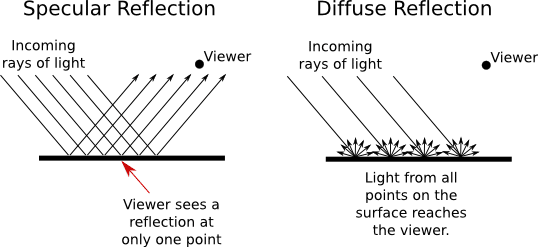
Textured surfaces can catch specular highlights. Use fixtures with a wide beam spread or soft wall washers rather than tight spots. This distributes light evenly, preventing distracting hotspots on the glossy peaks of the paint. Need help calculating lighting angles for your art installation? Contact our tech support team.
Technical Specifications for Installation and Safety
Moving from aesthetics to engineering, technical specifications for safety are paramount in commercial projects.
Calculating Weight Loads: Canvas vs. Mixed Media Impasto
Heavy texture painting can weigh 2-3 times more than standard acrylics due to the volume of medium used. Specifications must account for this dead load, ensuring appropriate wall anchors (toggles vs. plugs) or blocking is specified in the drywall during construction.
Security Hardware: Z-Clips and Lock Systems for Public Spaces
For hotels and lobbies, standard wire hanging is insufficient. We recommend specifying Z-clips (cleats) or security locking hardware (like T-screws) to prevent theft and keep the artwork permanently level, even during cleaning.

Fire Ratings and Safety Compliance for Hotel Projects
For strict commercial codes, Oilarthub can produce art using fire-retardant mediums and sealants on Class A rated substrates to meet ASTM E84 standards upon request.
Maintenance and Durability: A Long-Term View
A successful handover includes maintenance protocols for the Facilities Management (FM) team.
Varnish Grades: Matte, Satin, or Gloss Protection
The final varnish is not just for sheen; it is a protective layer against UV and dust. For high-touch areas, a satin finish offers the best balance of cleanability and reduced glare.
Cleaning Protocols for Facility Managers
Heavy texture painting maintenance requires specific protocols. We provide detailed care sheets specifying no solvents, water-free cleaning, and the use of soft, anti-static brushes for dusting crevices, ensuring longevity for the client.
Art Consulting that Speaks Your Technical Language
At Oilarthub, we bridge the gap between the artist’s studio and the architect’s blueprint. We understand that for you, art is a deliverable that must meet rigorous standards. Whether you need IES files for lighting calculations or fire-rated certifications, our art consulting team speaks your technical language.
Ensure your vision is executed perfectly. Partner with Oilarthub for art that meets every specification. Register for our Trade Program.
Designer Spec Sheet FAQs
What is the standard depth/profile of your stretcher bars? Our standard gallery profile is 1.5 inches (3.8 cm) deep using kiln-dried pine. We can also custom build slim 0.75-inch profiles or extra-deep 2.5-inch profiles depending on your framing specifications.
Can you provide IES files or lighting recommendations for specific pieces? While we don’t generate IES files, our advisory team can provide detailed recommendations on optimal lux levels and beam angles tailored to the specific texture depth of commissioned pieces.
Is there a weight difference between oil and acrylic textures? Yes. Traditional oil impasto is denser and heavier than acrylic mediums, which contain lighter polymers. For extra-large installations, we can use lightweight modeling pastes to reduce the structural load without compromising the visual texture.
Do you provide detailed installation instructions for contractors? Absolutely. Every commercial order includes a mounting template and specific hardware recommendations (for hanging heavy art on drywall vs. concrete) to ensure your contractor has clear guidance for a safe install. Find more specs at Oilarthub.