

Worried that sound-absorbing art will be a dust magnet or hard to clean? Discover the simple, stress-free maintenance routine that keeps your acoustic art looking beautiful and sounding perfect for decades. When homeowners and interior designers consider adding sound-dampening elements to a room, a common fear arises: Will this become impossible to clean? Traditional fabric-wrapped panels and industrial foam are notorious for trapping dust and holding onto odors.
However, Oilarthub’s functional artwork is entirely different. By blending high-performance acoustic cores with sealed, painted canvas exteriors, we have engineered durable acoustic solutions. This guide covers everything you need to know about acoustic panel maintenance, proving that acoustic art care is as simple as caring for any standard painting.
The Durability of Acoustic Art: Built for Life
Before we discuss cleaning, it’s important to understand why our sound absorbing art is so resilient. It is built to be a permanent, low-maintenance fixture in your home or commercial space.
Why the Archival Varnish Protects the Canvas
Unlike exposed acoustic foam, the sound-absorbing core of our art is hidden behind a high-quality artist canvas. Once the Textured Painting is complete, it is sealed with a professional archival varnish. This varnish creates a non-porous protective shield over the paint. Dust and airborne particles sit on top of this shield, rather than sinking into the acoustic material below.
The Hidden Core: Engineered to Resist Sagging and Settling
The internal acoustic fibers we use are dense and structurally stable. Unlike cheap acoustic stuffing that might sag or settle over the years, our cores retain their shape and sound-absorbing density for the lifetime of the artwork.
How to Clean Sound Absorbing Art Safely
So, how to clean acoustic panels when they are disguised as fine art? The secret is a gentle, dry approach.
The Best Tool: Using a Soft, Dry Brush for Routine Dusting
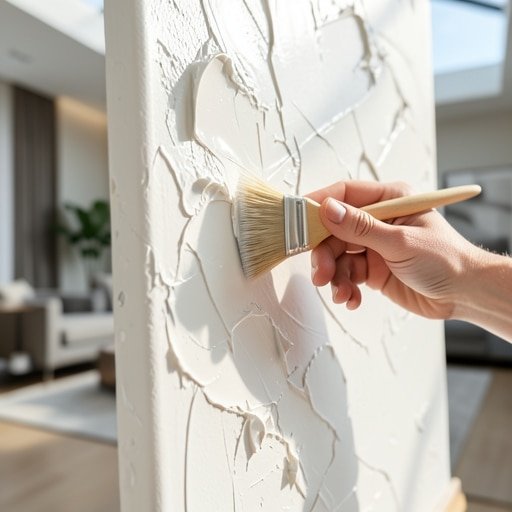
The absolute best tool for cleaning textured paintings is a clean, dry, soft-bristled brush. A large natural-hair brush (like a badger hair or soft makeup brush) is perfect. Simply start at the top of the painting and gently sweep downward, following the flow of the texture. The soft bristles will dislodge any dust resting in the valleys of the impasto paint without scratching the varnish.
Why You Must Avoid Water, Solvents, and Liquid Cleaners
Because the canvas is meant to be acoustically transparent (allowing sound waves to pass through to the core), you should never use water, damp cloths, or liquid household cleaners on the surface. Liquids can degrade the varnish, alter the paint, and potentially seep into the acoustic core, which could harbor mildew. Keep it dry!
Can I Use a Vacuum Cleaner on My Textured Art?
We do not recommend applying a vacuum nozzle directly to the canvas, as the suction or hard plastic attachments can damage the raised paint. If there is significant dust buildup in a commercial setting, you may hold a vacuum nozzle with a soft brush attachment a few inches away from the canvas while dusting with your other hand, letting the vacuum catch the airborne particles.
Environmental Factors: Protecting Your Investment
Preventative care is the best form of acoustic art care. Where you place the art dictates how much maintenance it will need.
Managing Humidity to Preserve Acoustic Performance
Acoustic materials and stretched canvases both prefer stable environments. Extreme fluctuations in humidity can cause canvas to slacken or tighten. Aim for a standard indoor humidity level (around 40-50%) to preserve both the structural integrity of the frame and the efficiency of the sound-absorbing core.
Strategic Placement: Avoiding Direct Sunlight and Air Vents
To minimize your cleaning routine, avoid hanging your art directly beneath or across from dusty HVAC air vents. Furthermore, to protect the vibrant colors of the paint from UV degradation, avoid placing the artwork in harsh, direct, and continuous sunlight.
Commercial Spaces: Maintenance for High-Traffic Areas
For our B2B clients—restaurant owners, hoteliers, and facility managers—maintenance for sound absorbing wall art needs to be fast and foolproof for your staff.
Simple Protocols for Facility Managers and Cleaning Staff
The protocol for cleaning staff is incredibly straightforward: Dry dust only, once a month. There is no need for specialized dry-cleaning, steaming, or chemical treatments that fabric-wrapped panels often require. This drastically lowers the long-term maintenance costs of your acoustic treatment.
The Longevity of Oilarthub Panels in Restaurants and Lobbies
In high-traffic areas like lobbies or dining rooms, art is subjected to more airborne particles. Because our textured surfaces are varnished, they resist absorbing ambient restaurant odors (like cooking smoke) far better than raw acoustic felt, ensuring your venue stays looking and smelling fresh.
Conclusion: Enjoy the Silence and the Style with Zero Stress
You don’t have to sacrifice cleanliness for acoustic comfort. The brilliance of Oilarthub’s design is that it locks the delicate sound-absorbing technology safely behind a beautiful, durable, and easily maintainable painted surface. By making a soft brush part of your occasional cleaning routine, you guarantee that your functional masterpiece will remain a stunning focal point.
Durable, beautiful, and effortless to maintain. Discover the peace of mind that comes with Oilarthub Acoustic Art. Shop the collection today.
Quick Answers on Acoustic Art Upkeep
Do acoustic art panels collect dust? They collect no more dust than a standard picture frame or mirror in your home. Because the acoustic material is fully enclosed, you are only dealing with normal surface dust on the varnished paint, not dust trapped inside porous foam.
How long do acoustic panels last before losing effectiveness? When kept in a stable indoor environment and maintained correctly, the high-density acoustic cores we use will not lose their sound-absorbing effectiveness. They are engineered to last for decades.
Does dusting affect the NRC rating over time? No. Gentle surface dusting removes debris from the paint layer but does not alter the acoustic transparency of the canvas or the density of the sound-absorbing core behind it. Your NRC rating remains intact.
What should I do if a guest touches the textured paint? Occasional light touches won’t harm the artwork, as the protective varnish shields the paint. However, it’s best to discourage touching, as the natural oils from human hands can attract and hold onto dust over time. If touched frequently, simply maintain your regular dry-dusting routine.