


From clinics to luxury spas, art is a powerful healing tool. Discover how to use evidence-based design and textured art to reduce anxiety and create supportive, healing environments. In the world of healthcare and wellness, the environment is part of the treatment. Sterile, white walls can unintentionally raise stress levels, while a thoughtfully designed space can lower blood pressure and improve patient outcomes. This is where art for healthcare becomes crucial. It’s not just about decoration; it’s about creating a compassionate, human-centric space that promotes well-being.
The Science of Healing Art: Understanding Evidence-Based Design
Designers in this field rely on evidence-based design—the practice of using research to influence design decisions that improve medical outcomes. Studies consistently show that looking at art provides measurable physiological benefits.
Reducing Patient Anxiety in Waiting Rooms
The waiting room is often where anxiety peaks. Placing serene, absorbing calming art for patients in these high-stress zones serves as a form of “visual analgesic.” It helps to ground patients and visitors, lowering cortisol levels before they even see a clinician.
The Distraction Therapy: Giving Patients a Visual Focus
Complex textures play a unique role here. A detailed textured painting offers “positive distraction.” By giving the eye and mind a pleasant, non-threatening object to focus on—following the ridges of paint or the blending of colors—patients can temporarily shift their focus away from pain or worry.
Biophilic Design: Bringing the Healing Power of Nature Indoors
The most effective trend in wellness design is biophilic design—our innate need to connect with nature.
Why Nature-Inspired Art Lowers Stress Levels
We are biologically programmed to find safety and calm in nature. Art that mimics natural forms, patterns, or scenes (like a horizon line or the dappling of light through trees) triggers a relaxation response.
Textured Landscapes: A Tactile Connection to the Earth
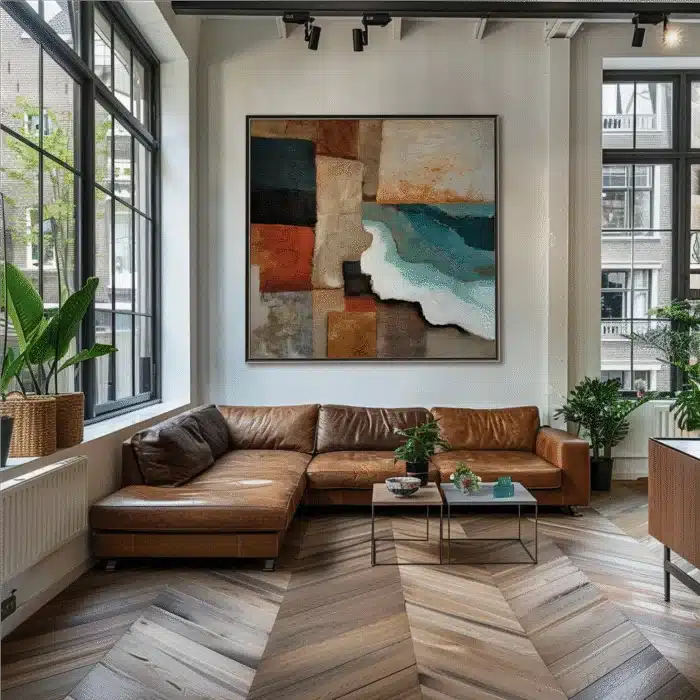
Oilarthub’s textured landscape paintings are particularly effective for this. The physical depth of the impasto technique mimics the organic irregularity of the natural world—stone, bark, waves—creating a deeper, more tactile connection to the earth than a flat photograph. Design a space that heals. View our curated Biophilic Art Collection.
Selecting Greens and Blues for a Calming Physiology
Color selection is critical in a medical office. Soft blues and restorative greens are known to slow heart rates and promote deeper breathing. Avoiding jarring reds or chaotic patterns is essential in maintaining a therapeutic atmosphere.
Designing for Luxury Spas: Elevating the Sensory Experience
For high-end spas, wellness center decor is about creating an immersive, multi-sensory retreat from the world.
Minimalist Texture for Meditation and Mindfulness Zones
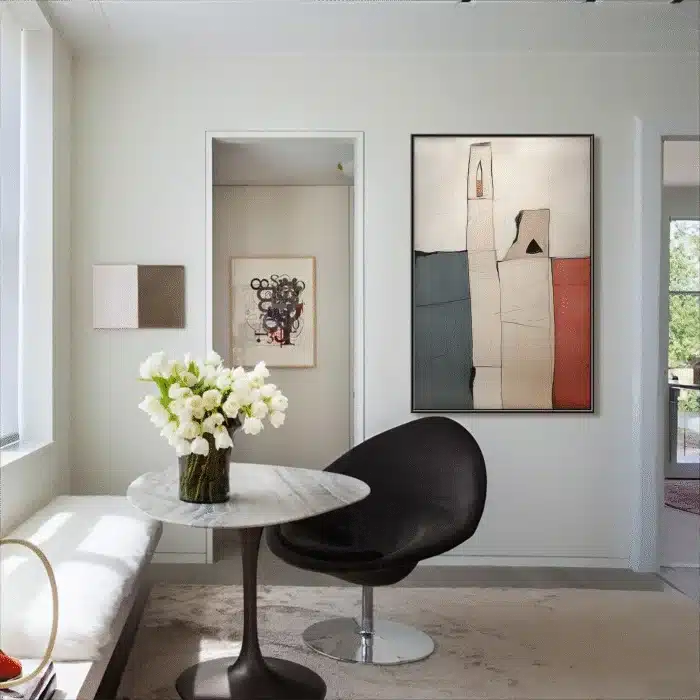
In meditation or relaxation lounges, visual clutter is the enemy. Minimalist, monochromatic textured art adds sophistication and warmth without demanding attention. It provides a soft place for the eye to rest, supporting mindfulness practices.
Using Acoustic Art to Enhance Silence and Privacy
Silence is a luxury in a spa. Our innovative Acoustic Art—which conceals sound-absorbing materials behind beautiful textured surfaces—is the perfect solution. It reduces ambient noise, ensuring conversations remain private and the environment stays hushed and tranquil.
Curating a Sophisticated Atmosphere with Abstract Art
Luxury spa wall decor needs to feel premium. Hand-painted abstract art signals exclusivity and care. It moves the aesthetic away from “clinical” and towards “resort,” validating the client’s investment in their self-care.
Practical Considerations for Healthcare Art
Functionality is just as important as aesthetics in these demanding environments.
Durability and Cleaning: The Advantages of Sealed Acrylics
Healthcare facilities require rigorous cleaning standards. Our acrylic-based textured paintings, sealed with a high-quality professional varnish, are durable and non-porous. This allows them to be wiped down gently, making them suitable for healing art for clinics.
Framing for Safety and Hygiene
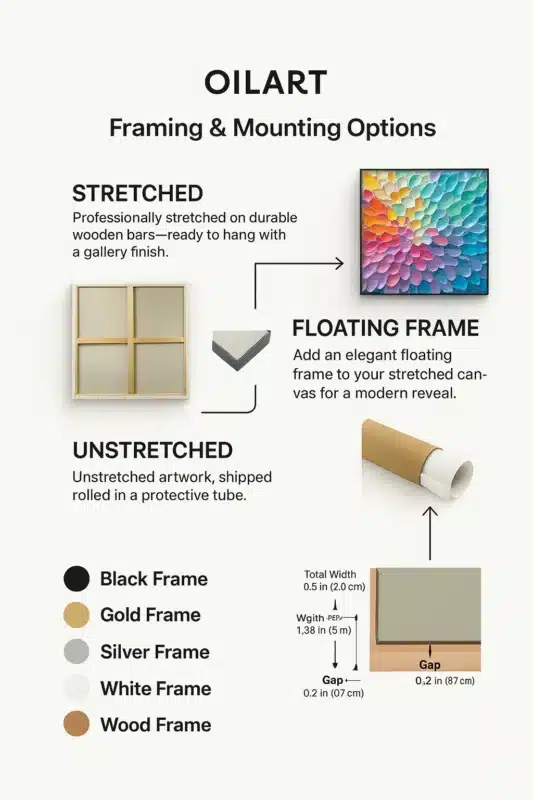
Safety is paramount. We recommend using security hardware to lock frames to the wall, preventing accidents. Smooth, simple frames that don’t trap dust and are easy to sanitize are the standard for medical compliance.
Art is an Essential Part of the Care Experience
Integrating thoughtful art into healthcare and spa design is an act of empathy. It sends a message to patients and clients that they are safe, valued, and cared for. Whether it is a biophilic landscape in a hospital corridor or an acoustic abstract in a spa lounge, art is an essential tool in the modern care toolkit.
Create an environment of care and calm. Contact our Healthcare Design specialists to discuss your project requirements.
Common Questions for Healthcare & Wellness Projects
What subjects should be avoided in healthcare art? In general, avoid imagery that is chaotic, abstractly aggressive, or uses colors like blood-red. Imagery that is too dark or ambiguous can be misinterpreted by patients under stress. Stick to nature-inspired, uplifting, or serene abstract themes.
Can your art withstand rigorous cleaning protocols? Our professional varnishes protect the paint layer. While they can handle gentle wiping with mild disinfecting solutions, we recommend testing cleaning protocols on a small area. We can advise on specific varnishes for high-infection-risk zones.
How do you choose art for a mental health facility? For behavioral health, safety (anti-ligature framing) and calming content are key. Art should be grounding and clear, avoiding anything that could be visually disorienting. Landscapes and soft, expansive abstracts are excellent choices.
Do you offer trade services for clinic renovations? Yes. We partner with facilities managers and healthcare interior designers to provide volume pricing, custom sizes for specific walls, and artwork that meets specific design guidelines for wellness projects. Find out more at Oilarthub.