

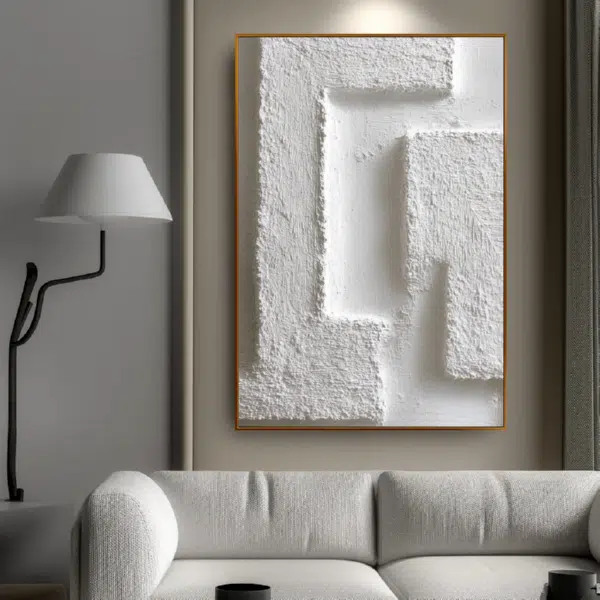
In a world of flat screens, our homes are craving connection. Discover why tactile art and sensory decor are becoming the most important interior design trends for 2025 and beyond. For years, interior design has been a primarily visual affair. But a powerful shift is underway. We are moving away from spaces that just look good to creating environments that feel good. What is Tactile Art? It’s at the very heart of this evolution.
What is Tactile Art and the Sensory Decor Movement?
Tactile art refers to artworks that emphasize the sense of touch, featuring noticeable, three-dimensional textures. It’s a key component of the broader sensory decor movement, an approach to design that aims to create richer, more immersive home environments by engaging multiple senses.
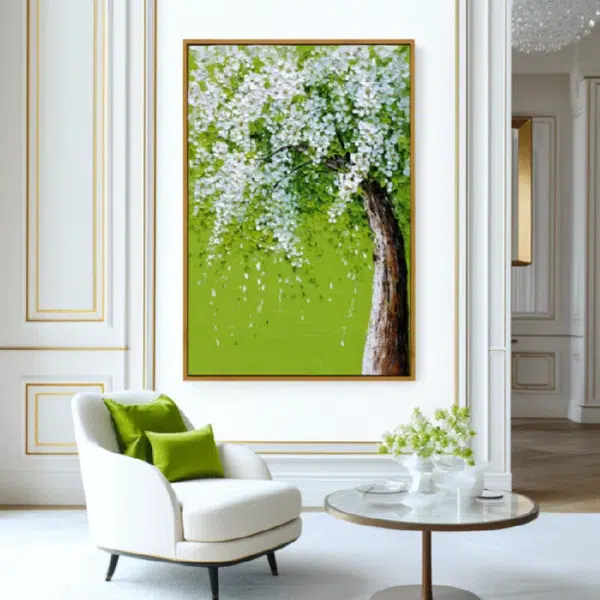
Moving Beyond the Visual: Designing for All Senses
The sensory decor philosophy argues that a truly beautiful home should appeal to more than just our eyes. It should consider the plush feel of a rug underfoot, the calming scent of wood, and the comforting texture of a handcrafted object. Tactile art, with its sculptural surfaces, is a primary way to introduce this multi-sensory experience to our walls.
The Psychology of Texture: Why We Crave a Hands-On Experience
There’s a deep psychology of texture at play. Engaging with textured surfaces can be grounding and calming. In a world saturated with smooth, cold glass screens, the human brain craves varied, natural, and tangible sensations. A piece of textured wall decor isn’t just an object; it’s an invitation to connect with our physical surroundings on a deeper level.
Key Drivers: Why Tactile Art is a Defining Interior Design Trend for 2025
This is not a fleeting fad. The rise of tactile art is one of the most significant interior design trends for 2025, driven by profound cultural shifts.
A Human-Centric Response to Our Digital World
We spend countless hours in the digital world, a realm of flat, intangible images. As a counterbalance, our physical spaces are becoming sanctuaries for real, tangible experiences. Tactile art is a direct, human-centric response to this need, reintroducing a sense of the real and the physical into our daily lives.
The Deep Connection to Biophilic Design and Natural Materials
The trend is closely linked to biophilic design—the practice of connecting our homes with nature. Many textured paintings evoke natural materials like stone, sand, or tree bark. Their organic, imperfect surfaces help to soften modern interiors and create a calming, nature-inspired atmosphere.
The Renewed Appreciation for Handmade and Authentic Craftsmanship
In an age of mass production, there is a powerful resurgence of appreciation for handmade craftsmanship. A textured painting, with its visible brushstrokes and unique character, is a celebration of the artist’s hand. It stands for authenticity and the rejection of the generic.
How to Embrace the Tactile Trend in Your Home
Incorporating this trend is easier than you think. It’s about consciously choosing pieces that add depth and a sensory dimension to your space.
Start with a Statement Textured Painting as Your Focal Point
The simplest and most impactful way is to start with a statement piece. A large textured painting hung above a sofa or in an entryway instantly becomes the room’s focal point. It sets the tone and introduces the tactile theme in a bold, confident way. Ready to embrace the trend? Start with the perfect piece of tactile art from our collection.
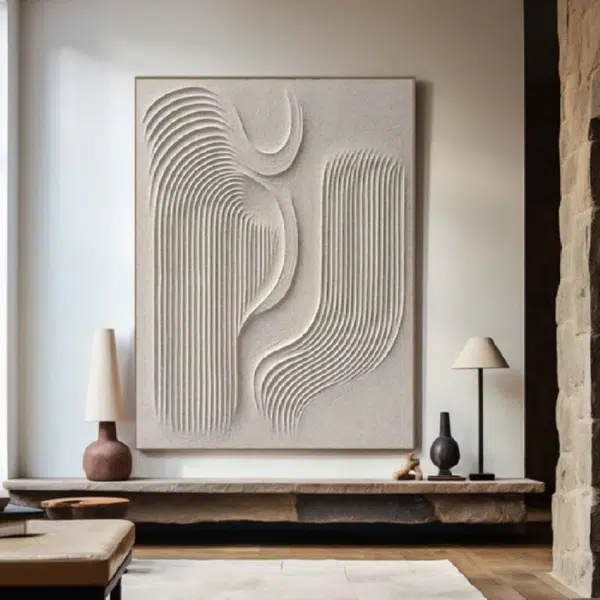
The Art of Layering: Combining Tactile Art with Rugs and Textiles
Think about layering different textures. Pair your tactile art with a plush wool rug, velvet cushions, or a chunky knit throw. This creates a rich, cohesive environment where different textures play off each other, resulting in a sophisticated and inviting space.
Creating a “Sensory Nook” with Art for Ultimate Relaxation
Designate a small corner of your home as a “sensory nook.” Place a comfortable chair, a soft lamp, and a captivating piece of sensory decor like a small, intricate textured painting on the wall. This creates a dedicated space for unwinding and reconnecting with your senses.
The Future is Multi-Sensory: From Tactile to Acoustic Art
The sensory movement in design is only just beginning. It’s evolving from engaging just the sense of touch to considering all our senses, especially hearing.
Why This Trend is a Movement, Not a Moment
The desire for more human, sensory-rich environments is not a temporary style choice; it’s a fundamental shift in how we want to live. This is why the tactile trend is a long-term movement. It signifies a move towards more mindful and holistic interior design.
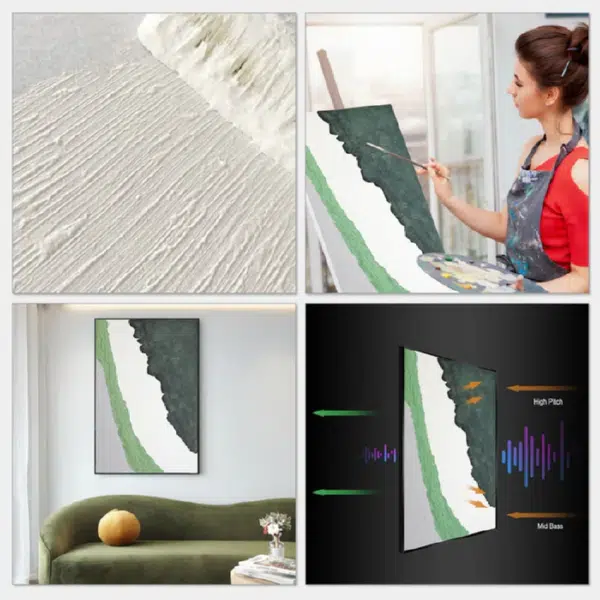
Engaging the Sense of Hearing for a Truly Immersive Home
The next frontier is sound. In open-plan homes, unwanted echo and noise can be a major source of stress. The most innovative solution is acoustic art—beautifully textured paintings that are scientifically engineered to absorb sound. This is where the future of multi-sensory design lies.
Create a Home That Feels as Good as It Looks
The rise of tactile art marks an exciting chapter in interior design. It’s a move away from the superficial and towards the substantial. By embracing this top interior design trend for 2025, you are choosing to create a home that is not just visually stunning, but also emotionally resonant and deeply comforting. Don’t just see your home, feel it.
Lead the trend, don’t just follow it. Discover the art that will define the future of interiors at Oilarthub.
Your Questions About the Tactile Art Trend
Is tactile art only suitable for Boho or Rustic styles? Not at all. While it fits perfectly with those styles, minimalist tactile art with clean lines and subtle textures is incredibly chic in modern and Scandinavian interiors. The key is the quality and character of the texture, not the style itself.
How do I clean and maintain highly textured art pieces? How do I clean textured art? It’s simple. A gentle dusting with a soft, dry brush is all that’s needed to keep your artwork looking pristine. Avoid using cloths that can snag or leave fibers behind.
Can too much texture make a room feel cluttered? Like any design element, balance is key. If you have a very bold textured painting, keep the surrounding wall area simple. The art of layering is about creating a harmonious blend, not overwhelming the senses.
Where can I find authentic, handmade tactile art? You can find a curated collection of authentic, handmade tactile art right here at Oilarthub. Each piece is a unique creation from a professional artist, designed to bring the beauty of this trend into your home.