


Your beautiful textured painting is a lifelong investment. This simple, step-by-step guide will teach you the proper art care to ensure its vibrancy and protect your artwork forever. You’ve found the perfect piece, and it has completely transformed your room. Now, the natural question arises: how do I keep it looking this stunning for years to come? The good news is, proper artwork maintenance is far simpler than you might think. This guide will provide all the safe, effective art care tips you need.
The First Rule of Art Care: Gentle, Regular Dusting
The most common and important task in caring for your painting is keeping it free of dust. For a textured painting, this requires a gentle touch to avoid snagging the beautiful, raised surface.
The Right Tool for the Job: Why a Soft Brush is Your Best Friend
Forget feather dusters or cloth rags, which can leave fibers behind or catch on the paint’s texture. Your best tool is a high-quality, soft brush. A natural-bristle brush, like one made from badger hair, is ideal because it is exceptionally soft and won’t abrade the surface.
Step-by-Step Guide on How to Clean an Oil Painting Safely
Here is the simplest and safest method for how to clean an oil painting.
- Ensure the painting is securely hung or placed on a stable easel.
- Take your clean, dry, soft brush.
- Start from the top of the painting and gently brush downwards with light, sweeping motions.
- Allow the dust to fall to the floor. Don’t try to wipe it away. That’s it! This process of gentle dusting is all the “cleaning” your painting should ever need.
How Often Should You Dust Your Artwork?
How often should you dust your artwork? A light dusting every month or two is usually sufficient. If you live in a particularly dusty environment, you might do it a bit more often. The key is consistency to prevent heavy buildup.
Location, Location, Location: How to Protect Artwork from Damage
Preventative care is the most effective form of artwork maintenance. Where you hang your painting has the single biggest impact on its longevity.
The Number One Enemy: Direct Sunlight and UV Rays
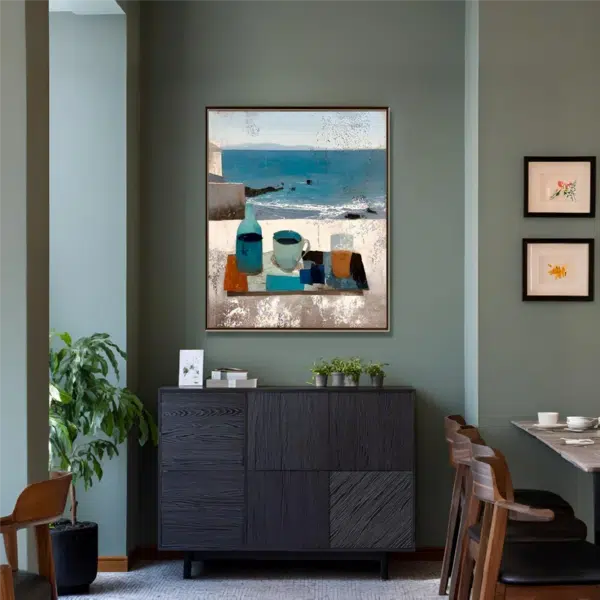
To protect artwork effectively, you must avoid direct sunlight. The UV rays in sunlight are the primary cause of fading over time. Hang your painting on a wall that does not receive direct, intense sunlight at any point during the day.
The Dangers of Extreme Heat and Humidity Fluctuations
Paintings are happiest in a stable environment. Avoid hanging them in places with drastic temperature and humidity fluctuations, such as directly above a radiator, in a damp basement, or in an unventilated attic. These changes can cause the canvas and wood frame to expand and contract, which can stress the paint film.
A Note on Hanging Art in Kitchens and Bathrooms
While tempting, kitchens and bathrooms are generally not ideal for original oil paintings due to grease, steam, and high humidity. If you do choose to hang art in these spaces, ensure there is excellent ventilation and the piece is not in the direct line of steam or splashes.
Safe Handling: How to Move and Store Your Painting
Whether you’re moving house or simply rearranging a room, safe handling is crucial to prevent accidental damage.
The Golden Rule: Always Handle by the Frame
Never touch the painted surface, front or back. Oils and dirt from your hands can damage the paint over time. Always pick up and carry your painting by holding both sides of the frame. For very large pieces, have two people handle it.
Wrapping and Storing Your Art for Short or Long Term
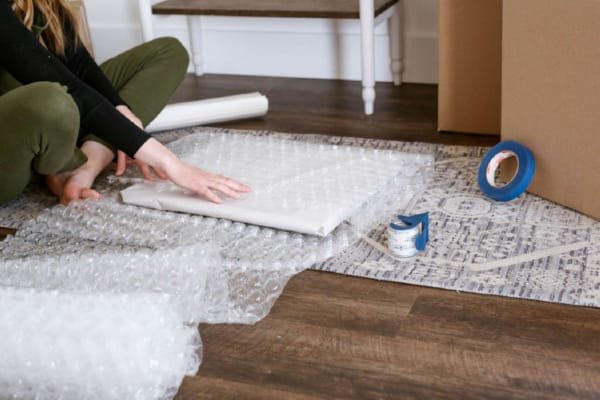
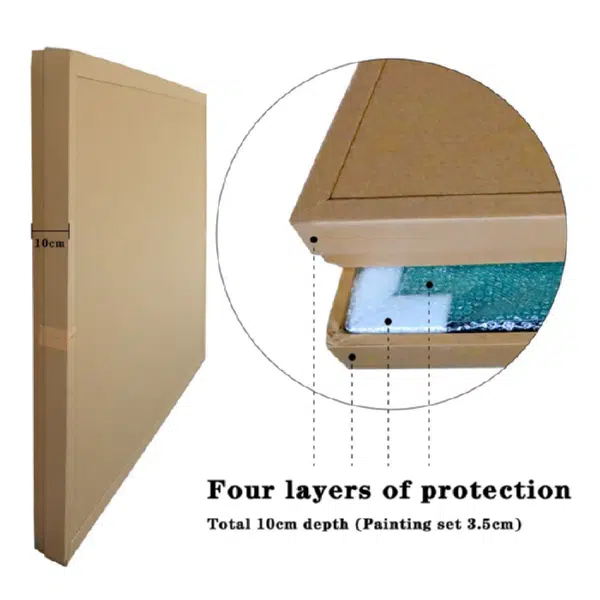
If you need to store your painting, wrap it in a breathable material like a clean cotton sheet first, then in a layer of bubble wrap. Store it vertically in a dry, temperature-controlled room. Never store anything on top of the painted surface.
What NOT to Do: Common Artwork Maintenance Mistakes to Avoid
Knowing what not to do is just as important as knowing what to do. These are the most common and damaging artwork maintenance mistakes.
Warning: Never Use Water, Solvents, or Household Cleaners
Can you clean an oil painting with water? Absolutely not. Water can damage the paint and canvas. Commercial solvents and household cleaners are even more destructive. Stick to the dry, soft brush method for all cleaning.
Why You Should Never Touch the Painted Surface
Even with clean hands, touching the surface can transfer oils that attract more dust and can be difficult to remove. The raised texture is also delicate. Admire with your eyes, not your hands.
The Myth of Using Bread or Potatoes to Clean Paintings
You may have heard old wives’ tales about using bread or a cut potato to clean oil paintings. These are dangerous myths that can leave behind crumbs, starch, and moisture, causing permanent damage.
Enjoying Your Art with Confidence and Peace of Mind
Proper art care for your textured painting boils down to a few simple rules: dust gently, choose its location wisely, and handle it carefully. By following this straightforward advice, you can eliminate any worry about maintenance. This gives you the peace of mind to simply enjoy the beauty and vibrancy your artwork brings to your home.
Care with confidence, and collect with joy. Explore the Oilarthub collection knowing your investment is easy to maintain.
Quick Answers to Your Art Care Questions
What should I do if my painting gets accidentally scratched or damaged? If a significant scratch or damage occurs, the best course of action is to consult a professional art conservator. Do not try to repair it yourself, as you may cause further damage.
Is professional cleaning ever necessary for a modern oil painting? For a contemporary painting that has been well-cared for in a typical home environment, professional cleaning is very rarely needed. The how to clean an oil painting dusting method is sufficient for its entire life.
Can I hang a textured painting above a fireplace? We generally advise against this. The heat and soot from a wood-burning fireplace can damage the painting over time. If it is a modern, well-ventilated gas fireplace that produces very little heat up the wall, it might be okay, but it’s a risk.
How does caring for an acrylic painting differ from an oil painting? The general principles of how to care for a textured painting are very similar. Both should be kept out of direct sunlight and dusted with a soft brush. Acrylics are slightly more durable and less sensitive to humidity, but the same gentle care is always recommended at Oilarthub.