
Love your open floor plan but hate the echo? Discover how Acoustic Art transforms noisy great rooms into peaceful sanctuaries without sacrificing your modern aesthetic. We all dream of that expansive, sun-drenched living space with soaring ceilings and seamless flow. However, the reality of open plan noise problems often sets in quickly. Without walls to stop sound, every footstep, kitchen clatter, and TV show echoes throughout the house. Traditional solutions like heavy curtains or bulky foam panels often ruin the sleek look you’ve worked so hard to create.
Until now, homeowners had to choose between a beautiful room and a quiet one. Acoustic art bridges this gap. It provides a sophisticated, gallery-quality solution to great room echo that looks like high-end decor but works like industrial soundproofing.
The “Echo Chamber” Effect in Modern Open-Plan Homes
Why do modern homes struggle so much with noise? The answer lies in the materials we love.
Why High Ceilings and Hard Floors Amplify Noise
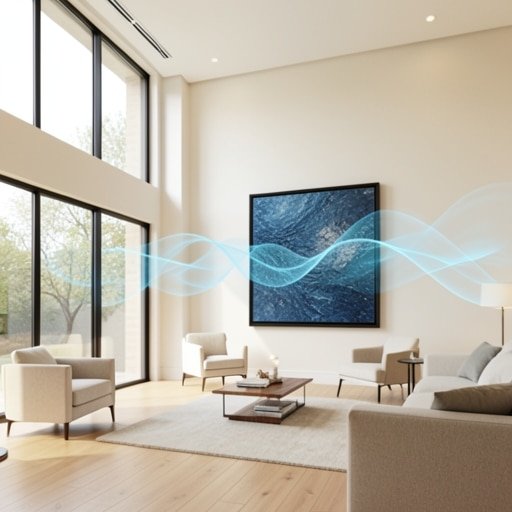
Modern design favors hard surfaces: polished concrete, hardwood floors, large glass windows, and minimalist stone counters. These materials are “acoustically live.” This means they reflect nearly 100% of the sound waves that hit them. In a large room with high ceilings, sound bounces back and forth indefinitely. This creates a constant background hum that makes it hard to hear conversation or relax.
The Impact of Reverberation on Daily Home Life
This “reverberation” isn’t just a minor annoyance. Constant noise exposure in your primary living area can lead to increased stress, decreased focus, and “listener fatigue.” When you can’t have a quiet conversation while someone is cooking in the kitchen, the quality of your home life suffers.
Why Acoustic Art is the Best Solution for Residential Spaces
So, how do we fix it? Most acoustic solutions for home involve adding soft materials to break up the reflections. While rugs and sofas help, they only cover the floor.
Combining Large Abstract Wall Art with Sound Absorption
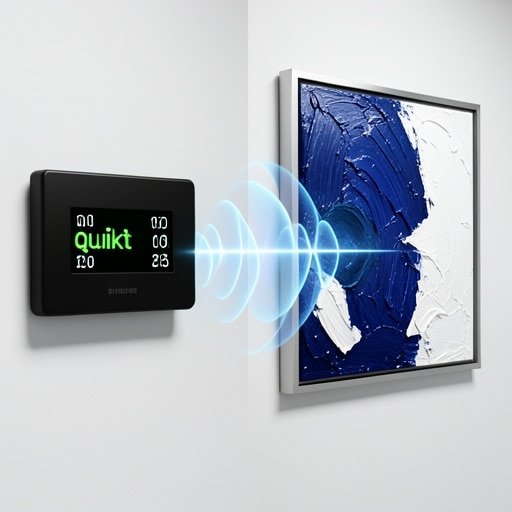
The most effective way to kill echo is to treat the vertical surfaces. Oilarthub’s Large Abstract Wall Art can now be upgraded with an acoustic core. This allows you to place large-scale sound absorbers exactly where you need them most—at ear level. These pieces are designed to capture sound waves before they can bounce off your walls.
Invisibility Technology: Keeping the “Utility” Hidden Behind the Texture
The brilliance of our Minimalist acoustic series is that the sound-absorbing technology is completely invisible. Guests will see a stunning, handmade oil painting with deep, rich texture. They will never know that the artwork is actively working to keep the room hushed and peaceful. It is the ultimate “stealth” home improvement.
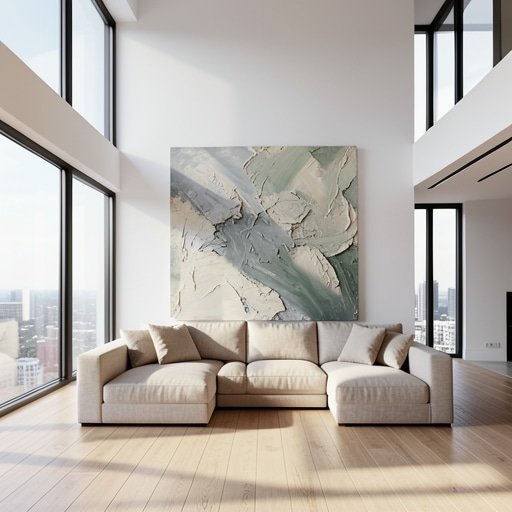
Strategically Placing Your Functional Wall Art for Maximum Impact
To get the most out of your art, placement is key. You don’t need to cover every wall; you just need to be strategic.
Identifying “Reflective Hotspots” in Your Living Room
Look for large, bare walls that sit directly across from each other or across from a large window. These are your “reflective hotspots.” By placing a piece of acoustic art on just one of these opposing walls, you can break the “ping-pong” effect of sound waves and dramatically reduce echo.
Vertical vs. Horizontal Placement: Coverage Matters
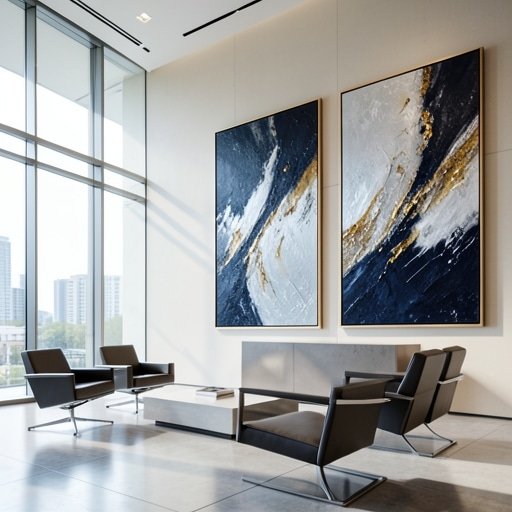
In rooms with high ceilings, vertical coverage is often more effective. A tall, vertical piece or a series of matching works can intercept sound waves rising toward the ceiling. The more surface area you cover with acoustic material, the more “dead” and peaceful the room will feel.
Styling Your Acoustic Art: Matching Your Existing Decor
At Oilarthub, we believe your acoustic treatment should be an aesthetic upgrade, not just a functional one.
Tonal Minimalism for Japandi and Scandi Lofts
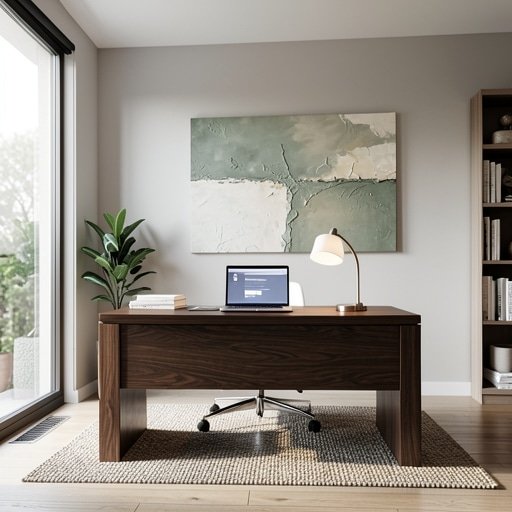
For the popular Japandi or Scandinavian aesthetic, our white and neutral textured works are a perfect match. They add tactile warmth to a room without introducing visual clutter, keeping the space feeling light and airy while quieting the environment.
Vibrant Statements for Contemporary Great Rooms
If your great room needs a burst of energy, choose a bold, colorful abstract. Because these pieces are handmade, the heavy paint texture itself actually helps to diffuse sound waves, scattering them so they don’t reflect as a sharp echo.
Conclusion: Perfect Your Open-Plan Experience
You don’t have to live in an echo chamber to enjoy the beauty of an open-plan home. By integrating acoustic art into your design, you solve the most common complaint of modern living—noise—with a solution that is as beautiful as it is effective. It is time to perfect your living experience and rediscover the luxury of silence.
Explore our Acoustic Art options and silence your space today.
Residential Acoustic Art FAQs
How many acoustic paintings do I need for a 500 sq ft room? As a general rule, treating 15-20% of the wall surface area provides a significant reduction in echo. For a standard 500 sq ft living room, two to three large-scale acoustic paintings are usually enough to create a noticeable difference in calmness.
Can visitors tell the difference between acoustic art and normal paintings? No. From the front, they look identical to our standard handmade textured paintings. The only difference is that the frame is slightly deeper (usually 2 inches) to accommodate the high-performance sound-absorbing core.
Does acoustic art help with noise from a TV or kitchen? Yes. Acoustic art is designed to absorb the specific frequencies of human speech and household noises (like clattering dishes or TV audio), making it the perfect solution for open-plan kitchen and living zones.
Is it effective for lofts with very high 20-foot ceilings? Absolutely. In fact, high-ceiling lofts benefit the most. Placing art higher up on the wall or using oversized vertical pieces can help catch the sound waves that typically get trapped in the upper volume of the room.